A character can keep the same silhouette and feel different as soon as it speaks. It can also change its costume and remain immediately recognizable. That gap between the body and the pattern of choices becomes especially interesting when a model moves between interactive environments.
What the file describes
The VRM Consortium describes a format for humanoid models that standardizes elements including the skeleton, expressions, gaze, and associated usage information. These conventions help applications make use of an authored character. The feature documentation explains the technical intent.
A format can describe how to invoke an expression without determining when the character should use it. That latter decision belongs to the performance system and the people directing it. A smile is an available movement; its meaning comes from the situation in which it appears.
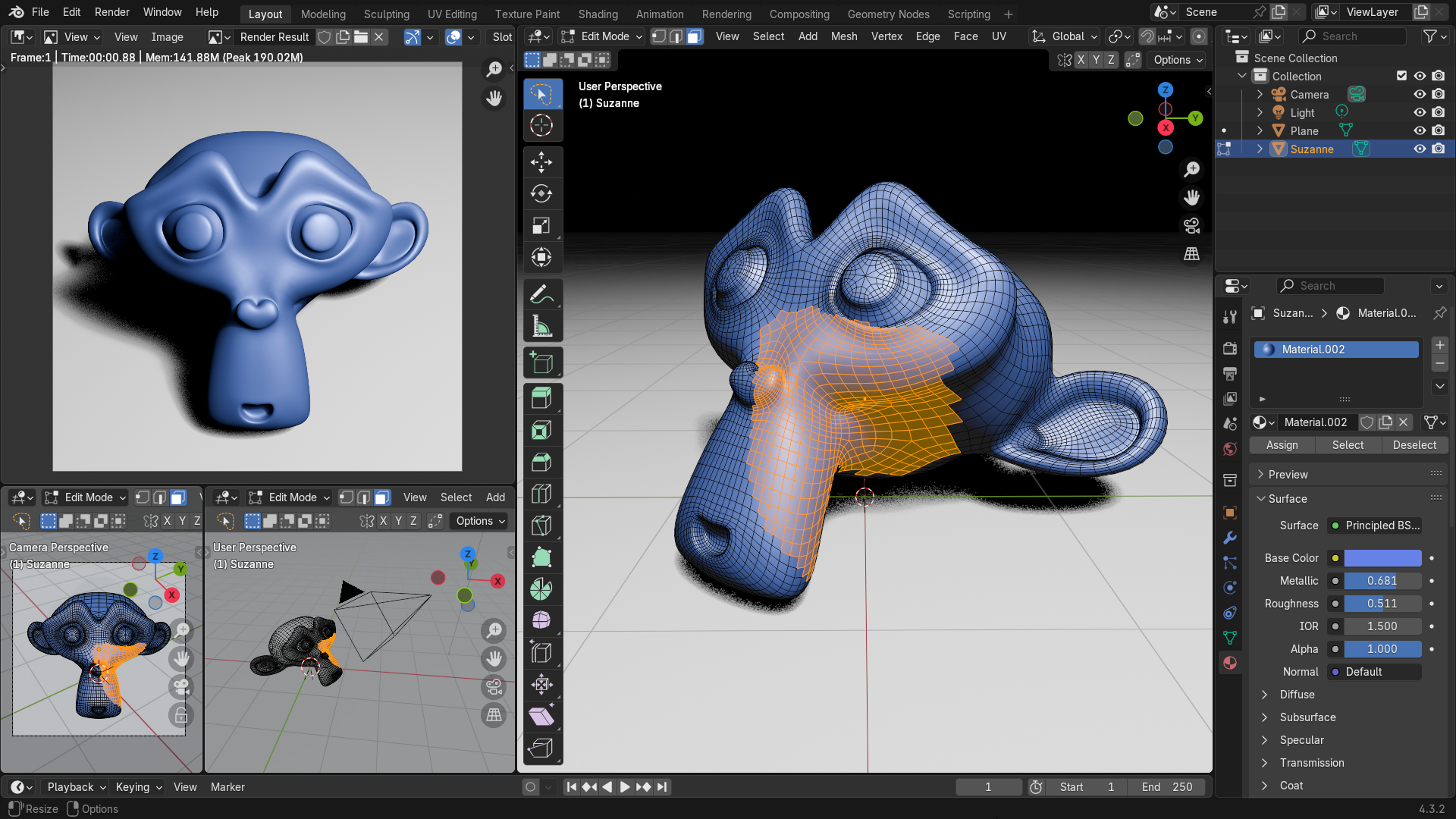

Write what the body cannot explain
A working character record can describe what the character pays attention to, what it knows, what it refuses, and what would make it change its approach. These are playable decisions. They help a performer or system choose a response when the exact line has not been written.
Include contradictions. A character might enjoy telling stories but become careful when asked to speculate about a person. Another might be impatient with ceremony yet attentive to a novice. Such tensions create more useful direction than a list of agreeable adjectives that would fit almost anyone.
Proposed character record: desire · knowledge · attention · boundaries · habits · conditions for change. Add examples from the actual work when they exist.
A new environment changes the reading
Screen size, camera distance, voice delivery, and the rhythm of interaction all affect how a gesture lands. A small expression that reads clearly in a close-up may disappear when the character stands across a virtual room. A repeated acknowledgment that feels attentive in one exchange can become intrusive in another.
Carry the intention across the change and examine the expression again. If the intention is to acknowledge a question, several performances may serve it. The record should help the team choose among them while keeping the character’s relation to the audience consistent.
Keep permitted uses with the production files as well. A successful import tells you that the data can be opened. It does not tell you whether the planned use matches the rights attached to the model, voice, or other contributed material. Those records need their own place in the handoff.
Compare a moment, not a portrait
To examine continuity, choose a short encounter and stage it in both environments. Include an ordinary question and a moment of uncertainty. Observe what the character notices, how it responds, and how it makes room for another turn. This is a proposed comparison exercise; it should not be presented as a completed test.
The goal is to find changes in meaning, including changes produced by timing or camera position. Some differences will be appropriate to the new setting. Others may reveal that a recognizable habit was lost in translation.
A character’s continuity resides partly in what an audience can predict about its choices. The model helps make those choices visible. The working record helps the next team understand why they belong to this character.
Sources & limits
The technical description comes from VRM’s own documentation. Portability in a file format does not guarantee identical behavior in every application. The character record and comparison exercise are editorial proposals, not interoperability test results.
- VRM Consortium — Features and contents of VRM — humanoid model data, expressions, gaze, and permissions metadata.
- Convai — Web SDK — an example of the runtime systems that sit around a character model.
Found an error? Send a correction with the passage and supporting source.